Vibrational Healing: How Aromatherapy, Healing Touch, Natural Healing, and Nia Work Together

It’s often said that everything alive vibrates.
This is where we get the language vibrational frequency—motion that may not be visible to the naked eye, yet can be described in measurable terms like electromagnetic waves or hertz.
Our bodies have rhythms and patterns, too. Many holistic traditions describe wellness as a state of balance, and illness or chronic stress as a state where the body feels “off,” depleted, or out of sync.
Some researchers have explored these ideas through the lens of measurable frequencies and subtle energy. Bruce Tainio’s work is often referenced in conversations about how the body’s frequency may shift during illness.
The Practitioner–Client Energy Exchange
Many holistic practitioners recognize that a session is more than technique. The relationship, presence, and intention matter.
Authors such as James Oschman (Energy Medicine) and Richard Gerber (Vibrational Medicine) describe how energy-based approaches may involve interaction within the client’s biofield or energy field during a session. Practitioners and clients often describe sensations such as warmth, tingling, pulsing, emotional release, or a deep sense of calm. Outcomes vary and are highly individualized.
Prayer and Meditation as “Frequency” Practices
Prayer and meditation are also commonly described as practices that raise or stabilize one’s inner state. Many people notice that consistent spiritual practice supports calm, clarity, and a more resilient nervous system.
Whether you use the word “frequency” or not, the lived experience is often the same: when the inner world settles, the body often follows.
Modalities That Integrate Vibrational Principles
Many approaches incorporate energy or frequency as a core principle in how they support well-being. For example:
Energy Therapies
Healing Touch, Healing Touch Spiritual Ministry, Therapeutic Touch, and laying-on of hands often focus on supporting balance in the energy field while encouraging relaxation and wholeness.
Aromatherapy and Essential Oils
Therapeutic-grade essential oils are used to support the body and mind through aroma and topical application (with safe dilution). In faith-based settings, essential oils may also be used for anointing as part of spiritual care.
Movement Therapies
Movement can be a powerful “reset” because it changes breathing, posture, circulation, and emotional state. Practices like Yoga and Nia help many people feel more grounded, energized, and present.
Why Combining Modalities Can Be Supportive
Many practitioners find that combining therapies can deepen the benefits—such as using a calming essential oil during a Healing Touch session, or adding movement practices like Nia to help integrate what the body has released.
The goal isn’t to stack techniques. The goal is to support the whole person—body, mind, and spirit—in a way that feels safe and aligned.
Choosing a Practitioner
A client should always research a practitioner or obtain a reliable reference before committing to a session.
Many modalities—including Healing Touch, Healing Touch Spiritual Ministry, and Nia—have professional organizations that can help you locate trained practitioners in your area.
Vibrational healing doesn’t have to feel mysterious. At its heart, it’s about supporting the body’s natural capacity to return to balance—through skilled hands-on care, prayerful presence, plant-based support, and mindful movement that helps you come home to yourself.
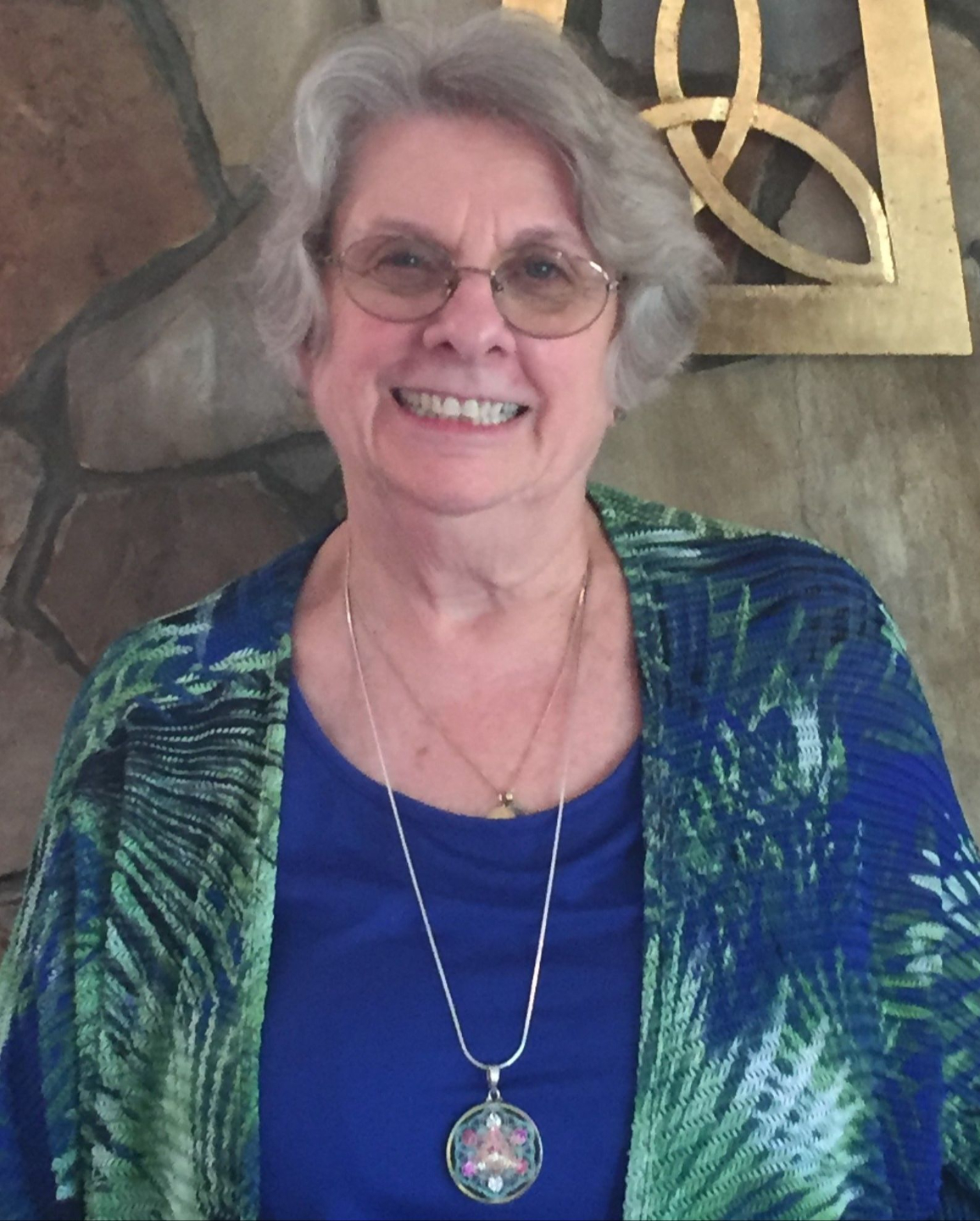
Written by: Debra Reis